Chemical Pipe Earthing: A Practical Grounding Solution for Reliable Electrical Safety

A reliable earthing system is essential for protecting electrical installations, equipment, buildings, and people from electrical faults. Proper grounding provides a controlled path for fault current and helps maintain the safe operation of electrical systems. Among the different grounding methods available, chemical pipe earthing is used in various residential, commercial, industrial, and infrastructure applications where dependable grounding performance is required.
What Is Chemical Pipe Earthing?
Chemical pipe earthing is a grounding arrangement that generally uses a conductive pipe electrode installed in the soil along with a suitable conductive backfill compound. The compound is placed around the electrode to improve contact with the surrounding soil and support a more stable grounding connection.
The system typically includes an earthing pipe, conductive compound, earthing conductor, connection clamp, inspection chamber, and related accessories. The exact design depends on soil conditions, site requirements, electrical load, and the overall grounding system.
Importance of Chemical Pipe Earthing
Electrical equipment can develop fault currents because of insulation failure, wiring problems, or other electrical disturbances. Without an appropriate grounding path, fault current may create dangerous conditions for people and equipment.
A properly designed chemical pipe earthing system provides a low-resistance path toward the earth, helping electrical protection devices operate effectively during a fault. It can also support the grounding of metallic structures and electrical equipment.
The effectiveness of the system depends on proper product selection, soil characteristics, installation quality, and regular inspection.
Components Used in the System
A chemical pipe earthing arrangement consists of several important components. The pipe electrode is the primary conductive element installed underground. Depending on the application, pipes may be made from galvanized steel, copper, or other suitable conductive materials.
A conductive earthing compound is generally placed around the pipe. Its purpose is to improve soil contact and support grounding performance. The earthing conductor connects the electrode to the electrical installation, while a suitable clamp or connector provides a secure electrical and mechanical connection.
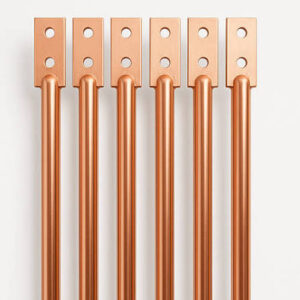
An inspection chamber can provide access to the connection point for checking and maintaining the system when required.
Applications of Chemical Pipe Earthing
Chemical pipe earthing can be used in a wide range of locations. Residential buildings may use grounding systems to improve electrical safety and protect household installations. Commercial properties such as offices, shopping complexes, warehouses, hospitals, and educational institutions can also require reliable earthing arrangements.
Industrial plants often have large electrical networks containing motors, control panels, automation systems, generators, and machinery. A properly designed grounding system can help protect these installations from electrical faults.
Telecommunication towers and data-related infrastructure also require effective grounding because sensitive equipment can be affected by electrical disturbances. Renewable energy installations, including solar projects, may incorporate chemical pipe earthing into their overall grounding and protection systems.
Advantages of Chemical Pipe Earthing
One of the main benefits of chemical pipe earthing is its ability to provide a practical grounding arrangement in different soil conditions. The conductive compound can help maintain contact between the electrode and surrounding soil.
Another advantage is flexibility. Chemical pipe earthing can be designed using different pipe materials, dimensions, and configurations according to project requirements.
When high-quality components are used and installation is performed correctly, the system can provide durable grounding performance with appropriate maintenance.
Factors to Consider Before Installation
Before installing chemical pipe earthing, soil resistivity should be evaluated because soil characteristics directly affect grounding performance. Electrode dimensions, installation depth, spacing, conductor size, and the number of electrodes should be determined according to the complete electrical design.
Material selection is also important. The pipe should have suitable mechanical strength and corrosion resistance for the expected underground environment. The conductive compound should be appropriate for the application and installed according to the manufacturer’s recommendations.
Qualified electrical professionals should handle system design and installation to ensure proper connections and grounding performance.
Conclusion
Chemical pipe earthing is a practical solution for establishing reliable electrical grounding across residential, commercial, industrial, telecommunications, and renewable energy applications. By combining a conductive pipe electrode with an appropriate earthing compound, the system can provide effective contact with the surrounding soil. Proper material selection, system design, installation, and maintenance are essential for achieving dependable performance. Choosing quality earthing components and following professional electrical practices can help create a durable grounding system that supports long-term electrical safety.
