
employee benefits during notice period include stock
When an employee resigns or is given notice of termination, many questions arise about the continuation of their compensation and perks. One frequently asked question is whether employee benefits during notice period include stock options. Stock options are often a significant part of an employee’s total compensation, especially in startups or publicly traded companies, and understanding how they are treated during the notice period is critical for both employees and employers.
Employee benefits during notice period are generally intended to ensure that an individual leaving the company is not unfairly disadvantaged compared to employees who continue working. These benefits typically include health insurance, retirement contributions, paid time off, and in some cases, bonuses or incentives. However, stock options are a unique category of compensation because they represent a potential future financial gain rather than an immediate cash benefit. Their treatment during a notice period depends largely on the terms outlined in the stock option agreement and the company’s policies.
In most cases, stock options are governed by specific vesting schedules. Vesting schedules determine when an employee earns the right to exercise their options. Employee benefits during notice period typically do not automatically accelerate vesting unless explicitly stated in the stock option plan or employment contract. This means that if options have not vested by the time the notice period begins, the employee may not be entitled to exercise them during or after the notice period. However, some companies may include provisions for accelerated vesting as a part of a severance package or as a negotiation point, which can affect how stock options are handled during notice periods.
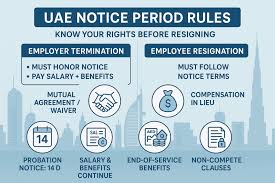
Do employee benefits during notice period include stock options?
Another consideration is whether the notice period is worked or paid out as a lump sum. Employee benefits during notice period may differ depending on this distinction. If an employee is required to continue working through the notice period, certain benefits, including stock options, may remain governed by the standard terms of the agreement. In contrast, if the notice period is paid out as a lump sum without active employment, stock options may be treated differently, and in some cases, the right to exercise unvested options could be forfeited.
It is also important to consider legal regulations and corporate governance standards. Some jurisdictions have specific rules about what constitutes compensation and how stock options should be handled during notice periods. Companies need to ensure that their treatment of stock options aligns with both employment law and their internal policies to avoid potential disputes. Employees, on the other hand, should carefully review their stock option agreements and seek clarification from HR or legal advisors to understand their entitlements.
Ultimately, whether Employee benefits during notice period include stock options depends on a combination of contractual terms, company policy, and local legal requirements. While standard benefits such as health insurance or vacation pay are generally continued, stock options are more complex due to their conditional and future-oriented nature. Clear communication and a detailed understanding of the governing agreements are essential for both parties to avoid misunderstandings and ensure fair treatment during the transition period.
