
hand carved wood figurines exist
What styles of hand carved wood figurines exist? This question opens the door to a fascinating world of creativity, culture, symbolism, and craftsmanship. Wooden figurines have been created for centuries in nearly every part of the world, and each region has developed its own artistic traditions. Some styles focus on realism and emotional expression, while others embrace symbolic shapes or playful exaggeration. Because each figurine is shaped by hand, every piece reflects the artist’s imagination and the cultural influences surrounding them. Understanding the different styles not only helps collectors and buyers make informed choices but also deepens appreciation for the skill that goes into the craft.
One of the most widely recognized styles of hand carved wood figurines is realistic portrait sculpture. This style aims to capture life as accurately as possible, replicating human features, body proportions, and natural poses. Realistic figurines often portray historical figures, loved ones, family scenes, or characters from storytelling traditions. The emphasis is on detail—fine facial expressions, textured clothing, and natural posture all play a role in making the figure appear lifelike. Artists who specialize in realism often spend years mastering anatomy, proportion, and facial carving techniques to create true-to-life representations.
Another popular style is folk art carving, which reflects rural traditions, everyday life, and cultural storytelling. Folk carvings often have a warm, rustic appearance, with simplified forms and expressive lines. Instead of striving for anatomical precision, folk art focuses on charm, symbolism, and emotion. Scenes of farmers, dancers, musicians, village life, and seasonal celebrations are common themes. Folk art carvings frequently have strong cultural roots, and they are highly valued for the heritage they preserve rather than technical complexity. They embody the identity of the communities in which they are made, making them meaningful pieces of history.
Animal carvings also form a major category of hand carved wood figurines. These range from highly realistic wildlife depictions to stylized interpretations that emphasize movement and spirit rather than detail. Artists may carve beloved pets, farm animals, exotic creatures, or symbolic animals connected to myth and tradition. For example, bears, wolves, elephants, and horses are frequently associated with strength, wisdom, or family. Bird carvings are also common, valued for their elegant shapes and association with freedom. Whether realistic or abstract, animal figurines appeal to collectors with a love of nature.
Mythical and fantasy carvings represent another captivating style. These figurines portray dragons, fairies, spirits, gods, magical creatures, and legendary characters. They draw inspiration from mythology, folklore, and modern fantasy storytelling. Because there are no strict rules governing how mythical characters should look, artists have creative freedom to design dramatic poses, elaborate costumes, and expressive features. Fantasy carvings often include intricate patterns and highly detailed accessories, showcasing extraordinary craftsmanship and imagination.
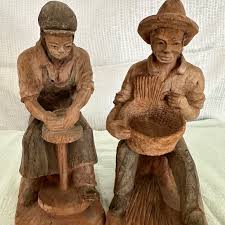
What styles of hand carved wood figurines exist?
Spiritual and religious carvings hold a special place in many cultures around the world. These figurines depict sacred symbols such as angels, saints, deities, monks, or traditional ceremonial figures. They are often displayed in homes, temples, altars, or meditation spaces. Artists approach this style with deep respect because these pieces carry emotional and spiritual meaning for their owners. In some regions, religious woodcarving is a generational craft passed down through families, and the figurines are treated as blessings or protective symbols.
There are also stylized and abstract carvings, which focus on artistic interpretation rather than realistic form. These figurines may reduce human or animal shapes into flowing lines, curved silhouettes, or geometric elements. The beauty of abstract carving lies in the emotions or ideas it evokes rather than in literal representation. Collectors who enjoy modern art often gravitate toward these figurines because they blend creativity, symbolism, and elegance into unique sculptures that suit contemporary décor.
Caricature and whimsical carvings form another joyful style. These figurines exaggerate features—such as oversized heads, expressive faces, or playful poses—to create humor and fun. Whimsical carvings are especially popular among collectors who enjoy lighthearted art or want a piece that sparks conversation. They give artists an opportunity to be playful, turning life’s ordinary moments into exaggerated and charming sculptures full of character and energy.
Cultural carvings represent customs, clothing, rituals, and heritage from different parts of the world. For example, Native American carvings may depict spirit totems, African carvings may focus on tribal symbols, and Balinese carvings may feature dancers or gods. These figurines are not just decorations—they reflect history, spiritual beliefs, and artistic traditions that stretch back through generations. Collectors often appreciate the deeper meaning behind cultural carvings and display them with pride and respect.
So, what styles of hand carved wood figurines exist? The list is nearly endless, ranging from realistic portraits, folk art, and wildlife to fantasy characters, spiritual icons, abstract forms, caricatures, and cultural sculptures. Each style carries its own purpose and beauty, shaped by craftsmanship, creativity, and tradition. Whether someone collects for art, décor, symbolism, or sentimental value, wooden figurines offer a rich variety of options that speak to different emotions, cultures, and personal stories. Each carving is more than an object—it is a small piece of history, imagination, and human expression preserved in natural wood.
